


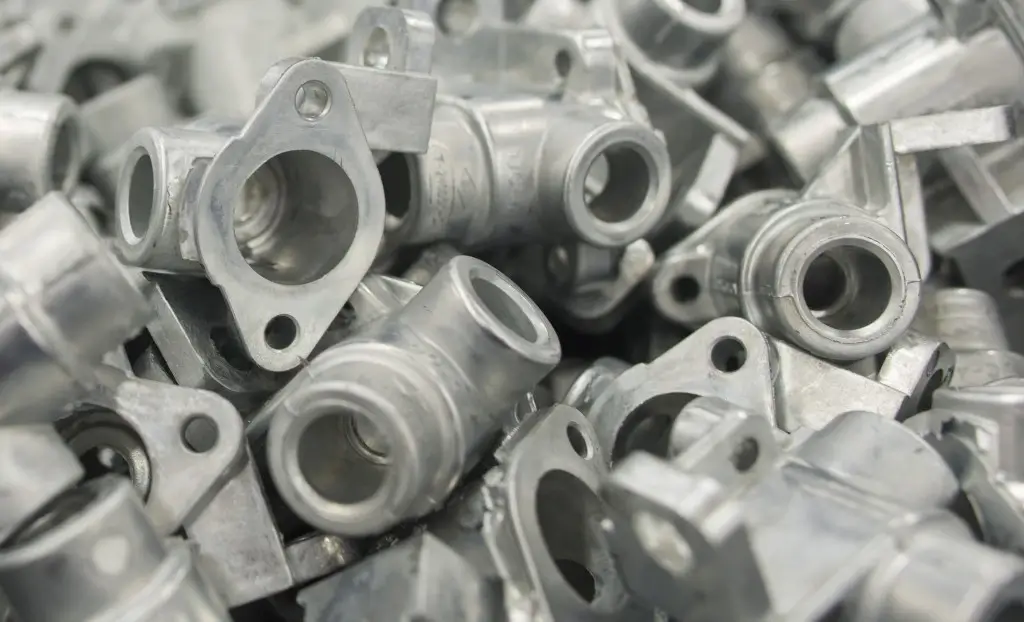
Modern production groups require steady output with proper shape control during every manufacturing stage. Many industries now depend on die casting methods for stable part formation with reduced material loss. Careful planning supports smoother processing across repeated operations. Reliable structure balance also helps factories maintain long-term production goals through vietnam die casting.
Stable Metal Shape Control
Strong material handling methods help factories maintain a balanced component structure during repeated production cycles. Careful mold preparation supports cleaner surface formation with fewer unwanted marks during shaping procedures.
- Balanced surface structure supports stable product finishing during repeated operations
- Planned material movement improves a smoother shaping process across separate departments
- Proper mold alignment reduces unwanted structure variation during repeated manufacturing
- Reliable inspection stages support consistent product quality across regular output
Reliable Production Flow
Factories require organized movement between shaping stages for improved operational timing. Planned material transfer helps workers reduce unnecessary delays during routine procedures. Clear production coordination also supports better equipment usage throughout large manufacturing sections. Many industrial groups now prefer vietnam die casting for smoother operational balance during long production schedules.
Strong Mold Performance
Reliable mold systems support cleaner part formation with improved surface stability across production cycles. Proper maintenance routines help workers manage equipment condition during continuous manufacturing procedures. Controlled pressure movement also supports balanced shaping results throughout repeated processing stages.
Accurate Surface Finishing
Clean surface preparation supports smoother assembly procedures across different manufacturing requirements. Stable shaping methods help factories maintain proper edge formation during repeated operational stages.
- Smooth edge formation supports reliable component fitting across industrial assembly sections
- Controlled pressure handling improves cleaner surface texture during shaping operations
- Stable operational timing supports reduced material waste throughout production procedures
- Proper equipment monitoring helps maintain dependable structure balance during manufacturing routines
Controlled Material Movement
Balanced material transfer supports smoother shaping procedures with improved operational timing. Workers manage production flow better through organized handling methods across separate departments. Stable processing control also helps reduce unnecessary interruptions during regular manufacturing activities.
Efficient Industrial Output
Large manufacturing groups depend on stable procedures for continuous operational improvement. Organized shaping methods support faster completion timing with dependable structure formation during repeated operations. Careful workflow planning also helps factories maintain smoother equipment coordination across daily manufacturing schedules.
Reliable manufacturing growth depends on organized planning with stable processing control throughout production procedures. Factories achieve a stronger operational balance when workers maintain careful equipment handling during shaping activities. Proper inspection timing helps reduce unwanted structure variation across repeated manufacturing stages. Clear workflow coordination supports dependable product formation with improved operational performance across large industrial requirements.